
Building Automation and Control System: Smart Building Solutions for Modern Infrastructure

The fundamental worth of intelligent building systems emerges in this section of smart building solutions.
Introduction to Smart Building Solutions and Their Value
In today’s fast-paced world, buildings are more than just physical structures; they are dynamic ecosystems where technology, people, and resources converge. A Building Automation and Control System plays a central role in ensuring that this ecosystem operates efficiently, securely, and sustainably. Automation has transformed commercial and industrial property management since it introduced real-time monitoring capabilities and energy management features. Intelligent building management systems have shifted from being optional to mandatory because of escalating sustainability requirements and cost optimization objectives.
These systems assist in lowering operational expenses while prolonging equipment longevity and delivering superior comfort to building users. Another important component is security. Commercial building access control systems have emerged to protect businesses from unauthorized access that prevents intruders and internal breaches. A Building Automation integrates comfort features with efficiency capabilities and security functions through HVAC automation and lighting control and fire safety systems under a unified platform.
The building automation and control system includes several essential elements that are discussed below:
1.HVAC Automation and Energy Management
The three main energy-intensive building systems include Heating, ventilation, and air conditioning (HVAC). A Building Automation enables HVAC systems to optimize performance by decreasing energy consumption while maintaining stable indoor temperatures and adjusting operations according to occupancy levels. The system depends on sensors and artificial intelligence-based algorithms to monitor air quality and temperature and humidity conditions before making real-time adjustments.
2.Smart Lighting and Occupancy Control
A building’s overall power usage is mainly accounted for by this system. A Building Automation and Control System integrates smart lighting solutions that modify light intensity according to the number of people present and available natural daylight. The dual benefit of cost reduction and sustainable building standards results from this approach.
3.Commercial Building Access Control Systems
The security needs of contemporary businesses and industrial facilities remain the top priority. Access control systems achieve multi-layer security protection through integration with a Building Automation and Control System. The system grants entry only to authorized personnel through biometric devices and key cards and mobile access while surveillance systems actively monitor all activities.
4.Fire, Safety, and Emergency Response Integration
A smart building requires both safety and automation integration to function properly. The Building Automation and Control System unites fire alarms with smoke detectors and emergency lighting into a unified command center. The system directs evacuation routes to appropriate personnel during emergencies while simultaneously executing instant safety protocols.
Building Management System (BMS): The Core of Smart Buildings
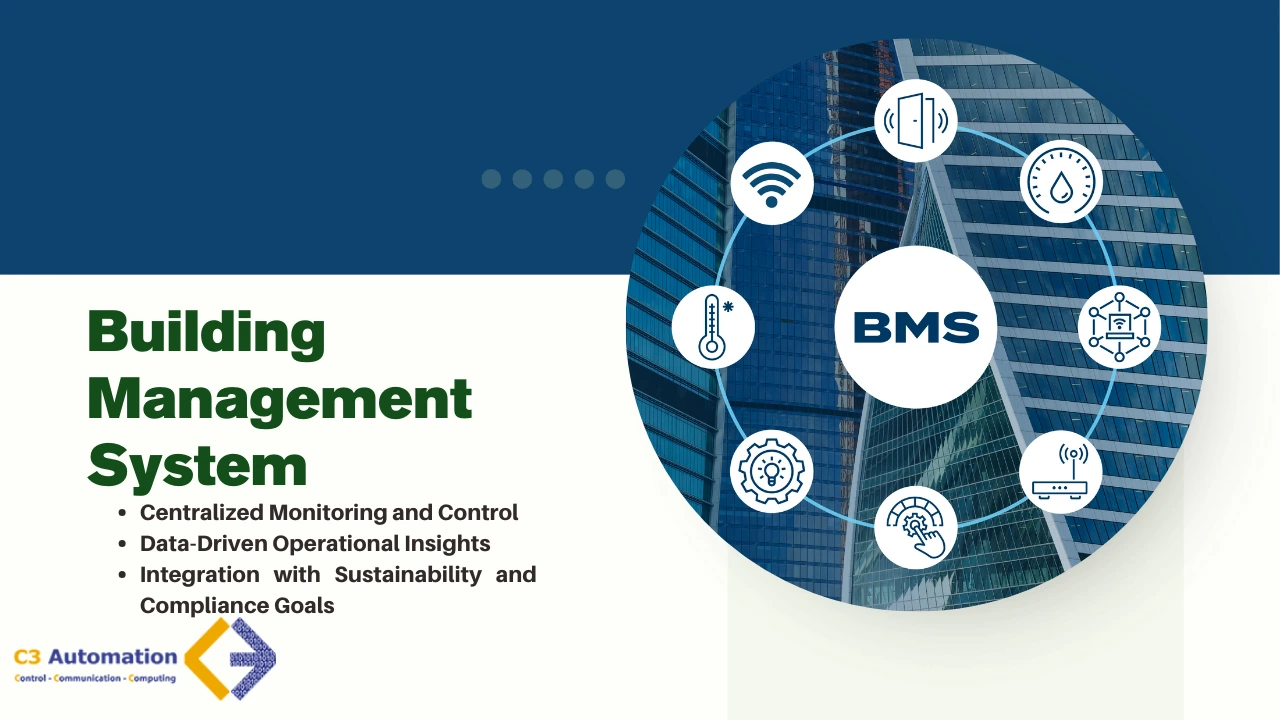
1.Centralized Monitoring and Control
A Building Management System (BMS) stands as the essential component for every Building Automation and Control Systems. The BMS combines control of HVAC, lighting, access and safety operations which allows facility managers to oversee and direct all activities from one unified interface. The unified interface enables faster responses while reducing mistakes and simplifying maintenance operations.
2.Data-Driven Operational Insights
Modern Building Automation gather extensive data through Internet of Things (IoT) sensors. Through data analysis facility managers can detect inefficiencies and anticipate equipment breakdowns to make better decisions. The BMS system will identify unexpected energy consumption surges and automatically determine their sources to recommend appropriate remedial actions.
3.Integration with Sustainability and Compliance Goals
Sustainability is no longer optional. Industrial operations face mandatory requirements for green building compliance through standards such as LEED or BREEAM. Sustainability frameworks operate through Building Automation that track energy usage and reduce carbon emissions while maintaining environmental regulatory compliance.
Smart Building Solutions in Action
1.IoT-Enabled Devices and Real-Time Monitoring
The Internet of Things (IoT) is revolutionizing automation. The Building Automation monitors all building operations in real-time through its connection of thousands of sensors, cameras, thermostats and lighting systems. Building connectivity allows for peak operational performance while decreasing equipment downtime.
2.Predictive Maintenance with AI and Analytics
Predictive maintenance occurs before breakdowns emerge whereas standard maintenance reacts after problems become apparent. An AI system within Building Automation and Control System technology performs predictive failure assessments by analyzing equipment operational patterns. The system alerts facility managers about an HVAC unit’s excessive energy consumption which helps prevent equipment failures and saves operational expenses.
3.Cloud-Based Dashboards for Remote Management
The practice of remote management stands essential for today’s distributed work settings. Cloud-connected dashboards enable facility managers to control buildings while monitoring their status from any location worldwide. The Building Automation provides unified management through mobile applications and web interfaces for tasks including temperature adjustments and security footage review and power consumption monitoring.
Commercial Building Access Control Systems Provide Advanced Security Enhancements
1.Biometric and Smart Card Access Solutions
Digital access control solutions have replaced the conventional locks in modern access control systems. The Building Automation combines biometric scanners with facial recognition and smart card technology to create an unmatched security system. These access control systems track entry and exit times exactly which supports regulatory requirements and security investigations.
2.The Function of Video Surveillance Systems Within Access Control Frameworks
The security level of facilities increases through the implementation of video surveillance systems. Access control becomes more effective through Building Automation integration which enables security cameras to perform automatic video recording of entry attempts while detecting unauthorized access and providing real-time alerts to security teams.
3.Multi-Layer Security for Commercial and Industrial Buildings
Modern industries need multi-layer security. The combination of surveillance systems with biometric verification and alarm technologies integrated into Building Automation guarantees the continuous protection of critical infrastructure. The security needs of healthcare facilities and manufacturing operations and data centers require the highest possible protection because they store essential equipment and sensitive information.
Building Automation and Control Systems will follow these key trends in the future.
1.The Role of Artificial Intelligence and Machine Learning in Smart Building Solutions
The advancement of automation has emerged through the use of AI and machine learning technologies. Building Automation enabled by AI and machine learning will learn from usage patterns to provide personalized comfort and enhance energy optimization and anomaly detection beyond human capabilities.
2.Green Buildings and Sustainable Infrastructure
Construction will be led by sustainability throughout the upcoming years. A Building Automation and Control System enables organizations to achieve green certifications through its functions of minimizing energy waste and enhancing renewable energy use while reducing carbon emissions. Business organizations pursuing net-zero targets need automation as a fundamental component for success.
3.Connected Building Management Systems require enhanced cybersecurity measures as devices become increasingly online.
The increasing number of connected devices requires organizations to establish strong cybersecurity measures as their main priority. A Building Automation needs to protect against hacking attempts and data breaches along with cyber-physical threats. The upcoming BMS platforms will combine advanced firewalls with AI-based threat detection systems and secure data encryption capabilities.
Building Automation and Smart Building Partner Selection Requirements
1.Key Factors in Vendor Selection
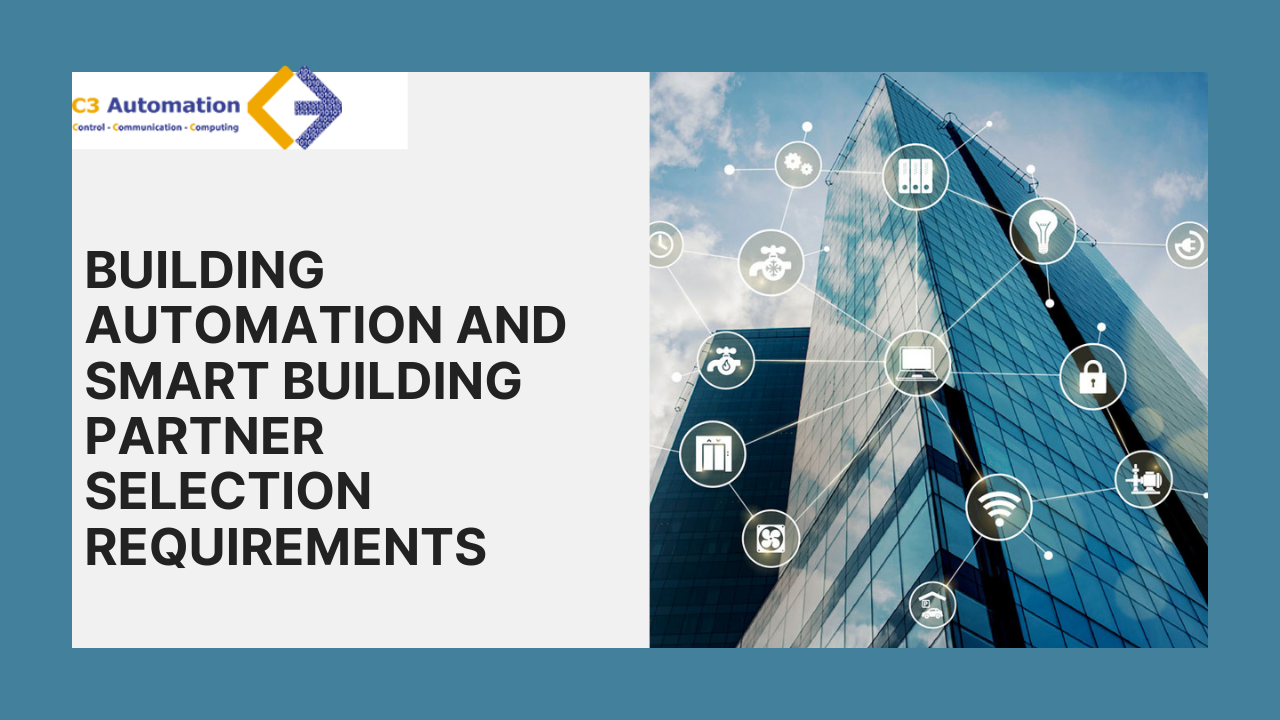
The selection of an appropriate vendor stands equally important to the selection of the system itself. An experienced vendor should demonstrate both expertise in Building Automation and a successful track record of commercial and industrial project implementation along with sustained support capabilities.
2.Importance of Customization and Scalability
Each facility maintains its unique characteristics. The best Building Automation should accommodate specific needs of buildings while offering flexibility for upcoming infrastructure additions. The ability to integrate new IoT devices and renewable energy systems and expand access control functions ensures long-term value through scalability.
3.Long-Term Support and Maintenance Services
The most advanced Building Automation requires continuous support. A qualified partner delivers training services along with 24/7 customer support and scheduled maintenance programs to guarantee the system maintains its highest performance standards.
Conclusion
Smart buildings have arrived as a reality while the Building Automation functions as the central driver of this transformation. Centralized integration of HVAC with lighting systems and access control and fire safety enables businesses to achieve maximum efficiency and sustainability while improving security. These systems provide cost savings while creating safer and greener spaces that deliver improved comfort through their predictive maintenance capabilities and AI-based optimization features.
Building Automation and Control Systems stand as the premier technology for modern infrastructure development because they have become key components of digital transformation efforts by industries and governments and property managers.
FAQ
1. What does a Building Management and Control System do?
A Building Automation and Control System (BACS) integrates building operations through a centralized Building Management System (BMS) to connect HVAC and lighting with access control and energy management systems. The system improves operational efficiency while delivering comfort to occupants and enhances security and reduces energy consumption.
2. How do smart building solutions improve efficiency?
Smart building solutions employ IoT sensors and AI analytics and automation technologies to minimize energy waste while maximizing resource efficiency and delivering enhanced comfort for building occupants.
3. Why is a building management system important?
A single control system operates multiple building systems allowing real-time monitoring with predictive maintenance capabilities and enhanced decision capabilities.
4. How do commercial building access control systems enhance security?
Facility security at commercial buildings becomes more effective through systems that control entry permissions and integrate surveillance systems to protect sensitive areas from unauthorized access.
5. What industries benefit most from smart building solutions?
Commercial offices together with healthcare facilities, data centers, educational institutions and industrial complexes achieve reduced costs together with improved safety and operational efficiency.
6. What are future trends in building automation?
Building automation systems of the future will unite AI capabilities with cloud-based BMS systems while incorporating sustainability features and sophisticated cybersecurity solutions for connected smart buildings.
7. What factors should guide my selection of a partner for building automation solutions?
Seek providers who offer flexible solutions that scale up and down with expertise in building automation and full support together with green and security standard compliance.