
HVAC Control Board: The Complete Guide to Function, Types, Applications, and Future Trends

Introduction to HVAC Control Boards
Heating Ventilation Heating and Conditioning (HVAC) HVAC systems are vital to ensure the most pleasant indoor climates for industrial, residential, and commercial zones. The core of any new HVAC system is a crucial component, which is known as”the HVAC Control Panel. It is responsible for the control of communication between sensors, motors and thermostats, in addition to being an instrument for security to ensure the safety and security of operation.
As HVAC systems become smarter and more energy-efficient, control boards have evolved from simple relay-based circuits to advanced microcontroller-driven platforms capable of automation, diagnostics, and remote monitoring. Knowing about HVAC Control Boards is vital for system integrators, manufacturers facilities managers, system integrators, and service professionals too.
This comprehensive guide will explain everything you need to know about HVAC control panels. This is the way they operate in different ways, the benefits they offer from different types as well as solutions for troubleshooting the most recent technological advancements.
What Is an HVAC Control Board?
is the HVAC Control Board, an electronic device that controls and coordinates the functions of HVAC components of the HVAC system. It receives signals from thermostats and sensors and process the information and then relays that information to actuators, like compressors and dampers, and compressors, valves and compressors.
Control boards are responsible for ensuring ensuring the HVAC unit is running efficiently, safely and good working order. Without an functioning control board as well as a working control board, your HVAC system won’t be able to effectively control the temperature or cool ventilate the space.
Core Functions of an HVAC Control Board
HVAC control systems perform numerous important functions to make sure that the systems run without problem.
System Coordination
Controllers is a device that monitors the order of events such things as starting the blower motor before the compressor or closing the system when potentially dangerous situations are detected.
Temperature Regulation
By processing thermostat signals, the control panel is able to maintain the desired temperature, and also provide exact temperature and cooling cycles.
Safety Monitoring
HVAC control panels manage security switches, pressure sensors and limits switches as well as a flame sensor, which shields the system from damages or other potentially dangerous situations.
Fault Detection and Diagnostics
The newest motherboards are self-diagnostic, typically that include Digital display or LED indicator to detect problems rapidly.
Energy Optimization
Control boards with the latest technology that supports Zoning with variable speeds and also intelligent scheduling that reduces the energy consumption.
Key Components on an HVAC Control Board
The controller board that controls the HVAC includes a range of electrical and electronic components to control it. HVAC systems.
Microcontroller or Processor
It functions as the primary processor which controls logic as well as communication protocol.
Relays and Contactors
Switch is used to switch high-voltage devices like heaters, compressors as well as fans, to and from.
Transformers
Lower the power to levels that are secure for the safety for your device.
Capacitors and Resistors
Control and stabilize electrical communication. the flow of electricity.
Input and Output Terminals
Join motors or thermostats, sensors or control systems for use outside.
Types of HVAC Control Boards
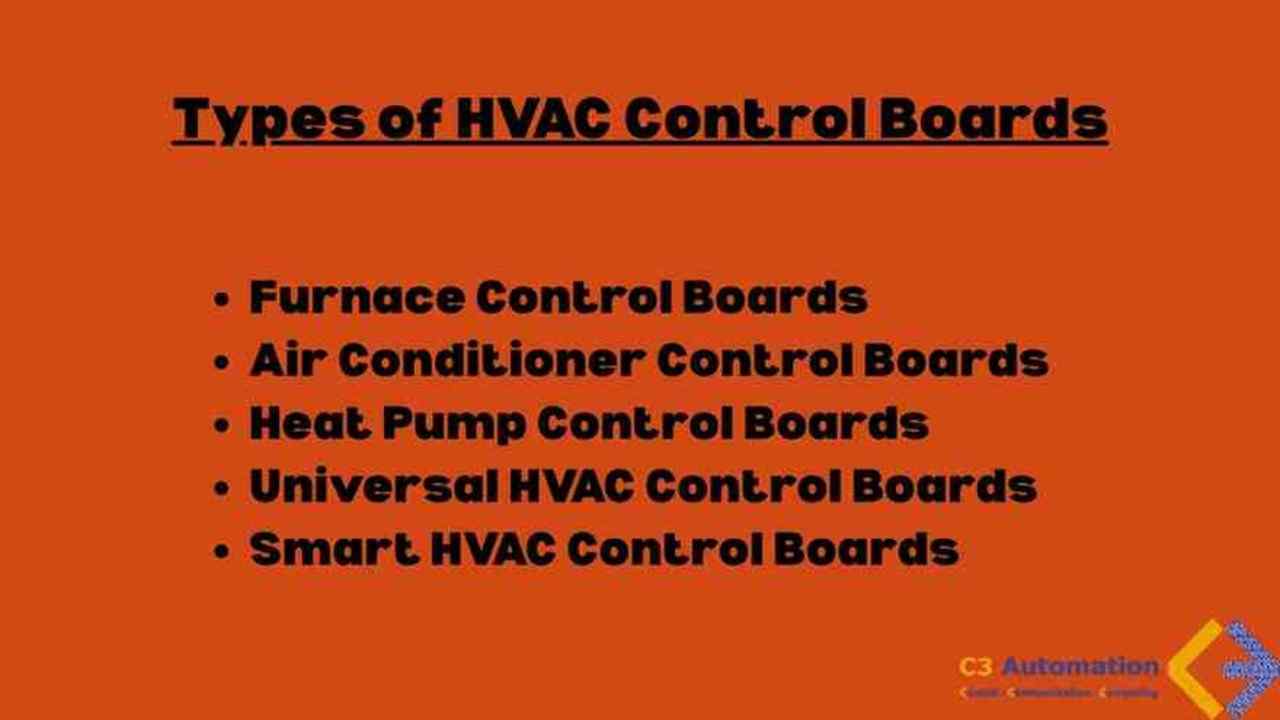
HVAC Control boards differ depending on the kind of equipment, software used and the extent of their ability to be automated.
Furnace Control Boards
Most commonly utilized type of heating. Boards control gas valves to control ignition blower motors, blower motors, or perhaps even ignition.
Air Conditioner Control Boards
Condenser fan, condenser fan and cool cycles in the cooling system that are used to cool air conditioners.
Heat Pump Control Boards
Heating and cooling coordination functions, which include freezing cycles.
Universal HVAC Control Boards
was designed to replace various OEM boards and integrate with various devices.
Smart HVAC Control Boards
Connectivity options on devices with features, like WiFi or Modbus and BACnet which connects to buildings management systems.
HVAC Control Boards in Residential Applications
Within residential buildings, HVAC control boards ensure the security and comfort of the residents and also their effectiveness.
The HTML0’s regulate the temperature based on thermostat inputs, manage the circulation of air, and protect systems from electrical issues and excessive temperatures. Smart control boards designed for residential use permit the programming of schedules as well as remote access via mobile apps.
HVAC Control Boards in Commercial Buildings
A HVAC unit used in commercial areas is more complex and requires a top-of-the-line Control Panel.
Office Buildings and Malls
Control boards control airflow balance and thermostats depending on their usage.
Industrial HVAC Control Board Applications
Industries need high-reliability, as well as accuracy.
Manufacturing Plants
Control boards monitor the quality of air as much as temperature and ventilation to protect equipment and ensure the quality of the product.
Data Centers
Make an environment that is stable, which will prevent the system from becoming overheated or experiencing slowdowns.
Cleanrooms and Laboratories
Gain complete control over the manufacturing process, which is essential to the manufacturing of electronic devices, as well as drugs.
Smart HVAC Control Boards and Automation
A advent of smart building technology has revolutionized our thinking of HVAC Control Technology.
IoT Integration
latest HVAC control systems are configured to connect to IoT platforms for monitoring and analyze data in real-time.
Remote Monitoring and Control
Facilities administrators can gain access to information about the system and modify the settings while at a from a distance.
Predictive Maintenance
advanced boards analyse performance data to predict the probability of failures before the failures occur.
Communication Protocols Used in HVAC Control Boards
The most recent HVAC control panels usually utilize standard protocols in the field of communication.
Modbus
It is used in HVAC systems for industrial and commercial applications to ensure the safe transfer of data.
BACnet
It is extensively used in building automation process to facilitate interactivity.
LonWorks
Systems for distributed control in large buildings.
Proprietary Protocols
The code is used by a handful of OEMs have been designed specifically for using in their applications.
Benefits of High-Quality HVAC Control Boards

An investment in top HVAC control boards could bring numerous benefits.
Improved Energy Efficiency
The more efficient control system can reduce how much energy is used up and also the cost of operating.
Enhanced System Reliability
The use of a solid monitoring system will prevent problems and extend the lifespan of equipment.
Reduced Maintenance Costs
Diagnostics which are integrated into the software make troubleshooting easier, and repair.
Better Comfort Control
A precise temperature and airflow control could increase the comfort of those who are seated.
Common HVAC Control Board Problems
Despite their reliability, HVAC control boards can have issues.
Electrical Damage
Unsecure electrical wiring or power surges can be damaging to components.
Moisture and Corrosion
A condensation or the humidity of air can create problems with the circuits.
Component Wear
Relays and capacitors can degrade over time.
Software or Firmware Errors
System that aren’t properly programmed may cause issues.
Signs of a Faulty HVAC Control Board
Early warnings are an excellent option to lower the price of breakdowns.
- This is when the HVAC system isn’t responding to the thermostat’s setting
- Intermittent shutdowns, periodic shut-downs
- Error codes, blinking LED indicators
HVAC Control Board Troubleshooting Tips
The thorough troubleshooting method can cut on time and wasted on downtime.
Visual Inspection
Locate burned or damaged components and connections that are rusty or loose.
LED Diagnostic Codes
Refer to manufacturer documentation for error code meanings.
Voltage Testing
Use a multimeter to confirmation that you are using the correct energy source. In your purchase.
Component Replacement
Restore damaged relays or capacitors, if they’re specially designed for use on circuit boards.
Replacement vs Repair of HVAC Control Boards
The decision to replace or repair the item depends upon a number of factors.
When to Repair
tiny components and repairs that are less expensive.
When to Replace
could result in extreme damage, obsolete technology, or cause frequent problems.
controllers that are universal can be a fantastic alternative to older models.
Selecting the Right HVAC Control Board
It is the selection of the appropriate control board is crucial to guaranteeing compatibility and effectiveness.
System Compatibility
Check the voltage and the protocol for communication and support for the components are in place to ensure that components are compatible with their communication protocol and the power supply is in sync with the HVAC equipment.
Environmental Rating
Industries could require tough and coated rigid board.
Scalability
Smart boards can be used to increase the number of users over the next few years and also to join.
Compliance and Certifications
Explore boards which are compliant with the quality and safety standards set by experts in the industry.
Role of HVAC Control Boards in Energy Management
The effectiveness in energy use is an a major factor in modern designs for HVAC.
Control boards can be configured to handle demand-based functions like variable speed control and the management of energy. These boards assist companies in achieving their sustainability objectives and reduce their carbon emissions.
HVAC Control Boards and Building Management Systems (BMS)
connection to BMS platforms allows centralization of controls.
Facilities managers are able to make use of HTML0 to create dashboards and reports, as well as reports and alerts on effectiveness. This will assist in making better decisions and help optimize your system.
Future Trends in HVAC Control Board Technology
HVAC business continues to grow quickly.
Cloud-Based Management
Cloud connectivity permits centralizing monitoring across multiple websites.
Enhanced Cybersecurity
As increasing connectivity, it’s becoming increasingly vital to secure the protocols for communication. is essential.
Modular and Custom Designs
makers tend to request control boards specifically created to meet specific requirements.
Importance of HVAC Control Boards for OEMs and Integrators
to manufacturers, and System Integrators Control boards provide the system with intelligence.
The boards which are designed specifically stand out for their efficiency, enhanced performance, and conformity to norms in the area which makes them an important part of HVAC development.
HVAC Control Boards in Sustainable and Green Buildings
Green Building certifications are based on efficiency in energy use and smart control.
These most current HVAC control boards permit the to integrate renewable power sources and the capability to recognize occupancy.
- Make sure that the boards are dry and clean.
- Make certain to examine connections and wires regularly.
- Upgrade to Firmware when it becomes accessible
- Make certain that your systems are safe by power surges.
Conclusion
A HVAC control panel is the most important element of any air conditioner or heating venting system. From the simplest models intended for homes to sophisticated industrial designs, control boards ensure reliability, security and efficiency as well as reliable operating. In the course of HVAC technology improves, control boards become more sophisticated and integrated and effective in the energy use and play an important part in modern-day building and energy efficiency.
Understanding HVAC controls can assist manufacturers, integrators, facilities managers, service technicians, integrators and integrators make educated decisions to improve the effectiveness and efficiency that the equipment provides. It will cut costs, and will also assist to ensure the future of HVAC solutions.
FAQ
1. What is the meaning behind"HVAC Control Board"? HVAC Control Board?
This is a HVAC Control Panel also called HTML0 is the main electronic device that controls and regulates cooling, heating and ventilation functions. The device receives signals from thermostats as well as sensors, and relays the commands to various components like compressors, fans, the valves.
2. What does mean by an HVAC Control Panel?
It serves like an HVAC control board which supervises operations of HVAC equipment. It monitors the security of the system and regulates temperatures. It ensures that the proper pattern of actions is followed when operating HVAC components to ensure the safety and effectiveness of their operation.
3. What's the most fundamental procedure that is at the core of HVAC control boards' purpose?
This device can receive signals from sensors and thermostats and interpret these signals using computer algorithms. It will then shut off or restart HVAC components using relays, the output terminus, as in addition to other devices.
4. Have you got the capability to fix or repair your HVAC control panel? Could it be repaired?
A few minor problems, such as damaged relays or capacitors can be resolved. However, large electrical circuits that have failed or boards that have been damaged usually require repairs.
5. What price is you pay for the HVAC control panel cost?
The cost varies depending what type of boards as well as its specifications. The cost of specific boards made for use at home is typically reasonable, while industrial and commercial control boards that come with more advanced features may cost more.