
What Is an Embedded Computer? Easy Guide with 5 UAE Uses
At C3 Automation, we supply ruggedized embedded computers, industrial PCs, and IoT gateways for UAE sites. Fanless, wide-temperature designs with Modbus, MQTT, and OPC UA support, backed by local DAFZA-based engineers.
Open up a Wi-Fi router and you won’t find a normal computer inside. You’ll find a small board that does one thing, again and again, without anyone touching it. That’s an embedded computer.
So, what is an embedded computer? In simple terms, it’s a small computer built into a bigger machine to handle a single job. It could read a sensor, switch a valve or send a number to a control room. The same idea works on a much bigger scale in a factory or a water plant.
This guide answers what is an embedded computer, how it works, and how it differs from a PC, a PLC and an embedded system. We’ll also look at how to choose one for a site in the UAE.
What Is an Embedded Computer? Meaning and Definition
“So, what is an embedded computer in plain words? A small computer with one fixed job.
If you’ve searched for the embedded systems meaning, here’s the short answer: a computer designed to do one specific job inside a larger product.
The embedded computer is the computer part, made of a processor, some memory, and ports to plug other things into.
| One main job | Lives inside something bigger | Built to keep |
|---|---|---|
| It doesn't browse the web or open spreadsheets. It does its task and nothing else. | Pump stations, vehicles, production lines. Nobody sits down and uses it directly. | Many work day and night for years, coping with heat, dust and vibration. |
In industry, these small computers link the field to the control room. They collect data, make quick decisions on the spot, and send the results on.
How an Embedded Computer Works
Core Components
| Processor | Memory and Storage | Ports | Software | Power Input |
|---|---|---|---|---|
| Picked for low power and steady performance, not for speed. | Just enough to run one program and the operating system. | Serial (RS-232/422/485), Ethernet, USB, CAN and digital I/O. | Usually Linux or Windows IoT, running one program for one job. | Industrial models take wide DC voltage and run from panel power. |
That’s what is an embedded computer made of: a processor, memory, ports and one program.
Real-Time Operation
Say you have a pumping station out in the desert. An embedded gateway sits in the panel. It reads pump data from field devices over Modbus, converts it, and sends it to your SCADA system. Nobody presses a button. It just keeps doing that, all day, every day.
Because an embedded computer has only one job, it does it very reliably. That’s the whole point.
How an Embedded Computer Works
People mix these two up all the time, and honestly, in casual talk they’re often used the same way. There is a small difference.
What Is an Embedded Computer?
An embedded computer is the computing hardware itself: a processor, memory and ports built to do one job inside a machine. A Wi-Fi router board counts. So does the gateway in a pump panel, or the small box beside a production line. It can be a single board or a sealed box.
What Is an Embedded System?
An embedded system is the full package: hardware and software working together for one purpose inside a product. A thermostat controller counts. So does the board in a washing machine, or the controller at a traffic light. The term stretches from a tiny chip to a full industrial computer.
How the Two Terms Relate
The embedded computer is the computing hardware at the center of an embedded system. In day-to-day work, “embedded computer” usually points to something you can buy and configure, like a board, a box or a gateway. “Embedded system” tends to describe the whole solution built around it.
Embedded Computer vs PC, PLC and Industrial PC
Embedded Computer vs a Regular PC
| Embedded Computer | Regular Computer | |
|---|---|---|
| Job | One main task | Lots of tasks |
| Size | Small, often DIN-rail or box style | Bigger |
| Cooling | Often fanless | Fans |
| Tough Sites | Made for them | Often fails sooner |
| Changing | Harder | Easy |
A PC suits office and engineering work. An embedded computer suits a fixed job inside a machine or on a site.
That’s the quick answer to what is an embedded computer next to a PC: a small machine built for one fixed job.
Embedded Computer vs PLC
A PLC controls machines. It’s built for fast, predictable control, like running a motor or opening a valve. An embedded computer is better at handling data, talking to other systems and doing some processing locally.
In practice you often use both. The PLC runs the process, and the embedded computer passes its data on to SCADA or the cloud. For more on controllers, see our guides on [RTU vs PLC] and [PLC vs DCS].
Embedded Computer vs Industrial PC (IPC)
This one is blurry. An industrial PC is a tough computer made for plants and factories, and plenty of embedded computers are sold as small, fanless industrial PCs. A rough rule: an IPC behaves more like a full PC.
An embedded computer is tuned for a narrower job, such as acting as a gateway. In practice the two overlap, so check the datasheet, not the name. For our range, see IoT gateways.
Knowing what is an embedded computer and what a PLC does makes it clear why projects use both.
Embedded Systems Examples
Everyday Examples
Each one answers what is an embedded computer in real life: a small computer doing one job.
You probably used several this morning. Your Wi-Fi router, a microwave, the dashboard in your car, a traffic light on the way to work, the card machine at the shop.
Industrial Examples in the UAE
Out on real UAE sites, what is an embedded computer doing? Quiet, steady work like this:
- Oil and gas. Remote monitoring and data collection at wells, pipelines and substations.
- Water and wastewater. Gateways collecting pump and tank readings and sending them to SCADA.
- Power and utilities. Translating data between substation equipment and control rooms.
- Buildings. Linking air conditioning, meters and building management systems.
- Transport. Onboard and roadside computers for monitoring and communication.
Types of Embedded Computers
There are four main types of embedded computer, from a single chip to a rugged box PC.
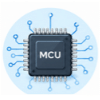
Microcontroller-Based Systems
A microcontroller packs a processor, memory and ports onto a single chip. It’s cheap and sips power. It’s a good fit for simple jobs, like reading one sensor or flipping a relay.
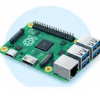
Single-Board Computers
These put a whole computer on one small board. You get more power than a microcontroller, which makes them popular for prototypes, edge devices and custom equipment.
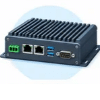
Industrial Box PCs
Fanless, sealed and tough, usually running an x86 or ARM processor. They suit work that needs more muscle, like machine vision, heavier data processing or a local operator screen.
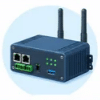
IoT and Edge Gateways
Gateways connect field devices to SCADA, the cloud and company systems. Most support Modbus, MQTT and OPC UA, and many come with cellular or Ethernet links for remote sites.
Ruggedized PC Features for Gulf Conditions
In Gulf conditions, what is an embedded computer worth if it can’t handle 50°C heat? Rugged design matters as much as processing power.
A ruggedized PC, or ruggedized embedded computer, keeps working when a normal computer would stop. For UAE that means heat, dust and humidity plus salty air near the coast
Heat, Dust and Humidity Protection
Look at the temperature rating. Standard industrial units are often rated around -10°C to 60°C and wide-temperature versions stretch from about -40 °C to 75°C. Check the datasheet for the model because ranges vary.
Sealed, fanless cases keep dust out. Remove the fan, which is one of the first parts to fail. The shock and vibration resistance is also important if the unit is mounted on a machine or a vehicle.
Fanless Design, Wide Voltage and Long Life
No moving parts means less maintenance and less downtime. Without a fan, one of the first parts to fail is gone. A wide DC input lets the unit run from the power already in a panel.
A long product lifecycle means you can still get spares years into a project. Check the lifecycle period before you commit.
Embedded Computer Security in Industrial Networks
An embedded computer often sits right at the edge of an operational network, which makes them an easy place for problems to start.
Common Risks
The usual troubles are old firmware that nobody updates because the device “just works”, default passwords left from installation, open ports nobody closed, and remote access that’s wider than it should be.
How to Secure Them
First separate the network. Put industrial firewalls between IT and OT.Keep patches current. Give each device its own login, with limited access.Then keep a list of your devices and watch for odd behavior so you spot trouble early.
The IEC 62443 standard is a solid framework for industrial security. We also work on OT cybersecurity, so see our guides on OT cybersecurity and OT network segmentation for more..
How to Choose an Embedded Computer for Industrial Use
Once you know what is an embedded computer, choosing one comes down to hardware fit, software and protocols, and support.
Choosing the right embedded computer comes down to three things: hardware fit, software and protocols, and support.
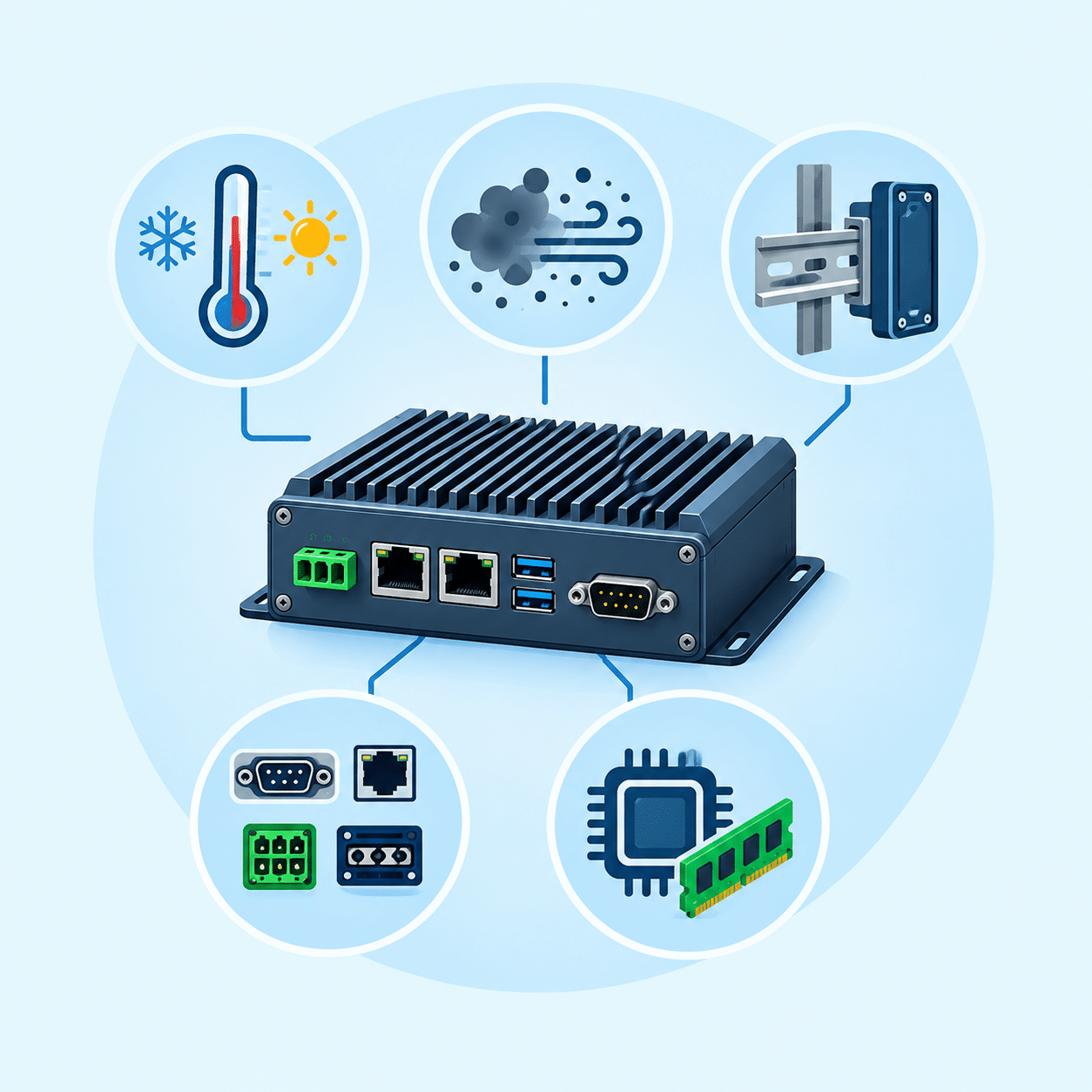
Hardware Fit
First look at the site. What are the temperature, dust and mounting conditions? Are you using a DIN rail, a wall mount or a panel mount? Next look at the ports. Do you need serial, Ethernet, CAN or digital I/O to connect the devices you want? Finally look at the processor and memory that fit the job. Paying for more power than you need is a common mistake.
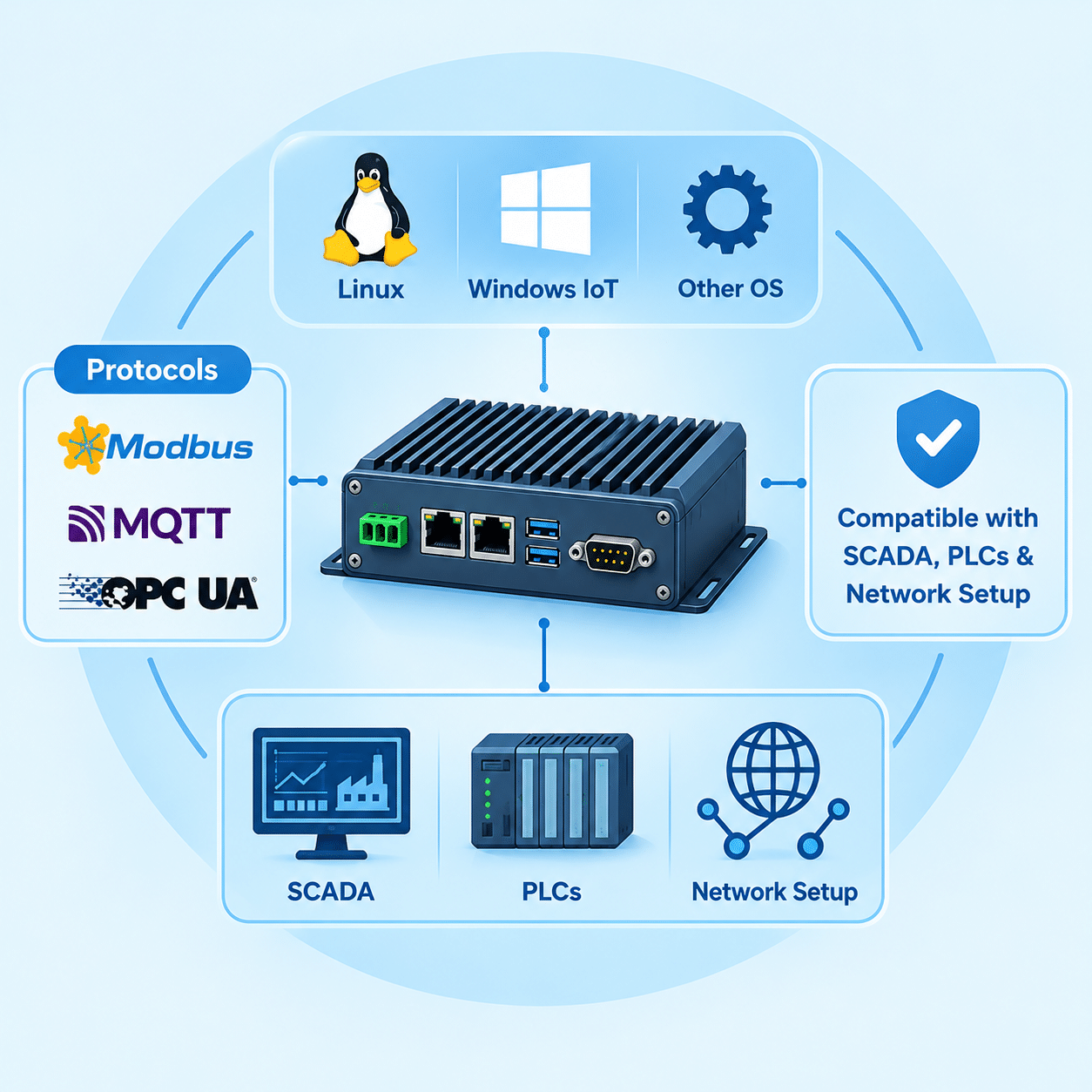
Software and Protocols
Check which operating system the unit runs, whether that is Linux, Windows IoT or something else. Make sure it supports the protocols you use, such as Modbus, MQTT or OPC UA. Then confirm it also works with your SCADA, PLCs and network setup before you place the order. Finding a mismatch on site costs time and money, so ask the supplier early on if unsure.
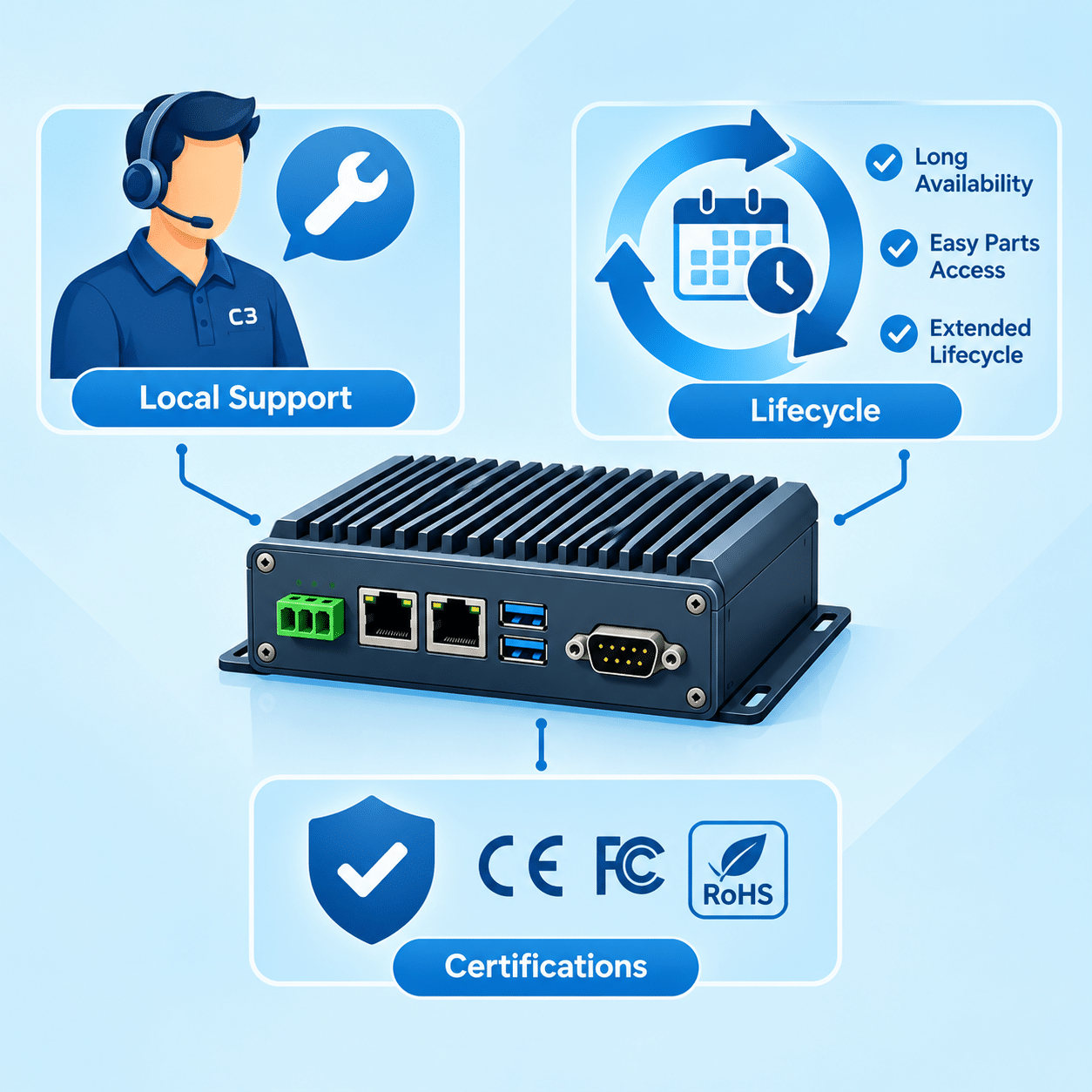
Support and Lifecycle
Good local support saves a lot of time when something goes wrong on site, so ask who will actually pick up the phone. Check how long the model will stay in production and whether spares are easy to find. Ask early about any certifications your industry needs, since they can narrow down which models you are allowed to use. Also ask about the warranty terms.
Industrial PCs and IoT Gateways from C3 Automation
C3 Automation has more than 20 years in distribution, training and technical services for oil, gas, electricity, transport, water and factory customers. Our embedded computer range includes industrial PCs, HMIs and IoT gateways, along with PLCs, RTUs, SCADA software, networking and cybersecurity.
Multi-Vendor, Zero Lock-In
We work with several partner brands, so you’re not tied to one manufacturer. Everything is set up to work with your SCADA, networking and OT security.
Local Support from DAFZA
Our team is based in the Dubai Airport Free Zone, so we can support sites across the UAE. Training and after-sales help come from engineers who work with these systems every day. If you’re still deciding what is an embedded computer your plant needs, our DAZA tea can help you choose.
FAQ
1. Is an embedded computer the same as a microcontroller?
No. A microcontroller is a single chip with a processor, memory and ports. An embedded computer is a complete system, usually with a stronger processor, storage, ports and an operating system.
2.What operating systems do embedded computers run?
Mostly Linux or Windows IoT. Some use a real-time operating system when timing has to be exact. Always check what a specific model supports before you buy.
3.Can an embedded computer replace a PLC?
Sometimes, for data and communication jobs. Not usually for safety-critical control, because PLCs are built for predictable, certified control. Many projects use an embedded computer next to a PLC, not instead of one.
4.What is the difference between an embedded computer and an industrial PC?
They overlap a lot. An industrial PC is a tough PC with more general computing power, while an embedded computer is usually tuned for one role, like a gateway. Plenty of products are sold under both names.
5.Are embedded computers secure?
They can, but only if you get them set up and take care of them. Use unique passwords, update firmware, close unused ports and keep them behind industrial firewalls. IEC 62443 helps.
6.What is an embedded computer used for?
An embedded computer is used to run one dedicated job inside a larger machine, such as collecting sensor data, converting protocols or passing readings to a SCADA system. In the UAE you’ll find them in oil and gas sites, water plants, substations and building systems.
Need an Embedded Computer or Industrial PC for Your UAE Project?
Talk to our DAFZA-based team for expert advice on industrial PCs and IoT gateways.