

What is a Media Converter?
Fiber to Ethernet Explained for Networking
Media converters play a vital element in modern networks. They help to bridge the gap between Copper-based Ethernet or fiber-optic systems, which have fast rates. If you’re building a new data infrastructure, expanding your industrial setup, or upgrading your CCTV systems, knowing the importance that media converters play is crucial for smooth, high-performance speedy connections.
This article describes the need for media converters, how they work, as well as how they can be utilized especially for Ethernet or fiber networks.
What is a Media Converter?
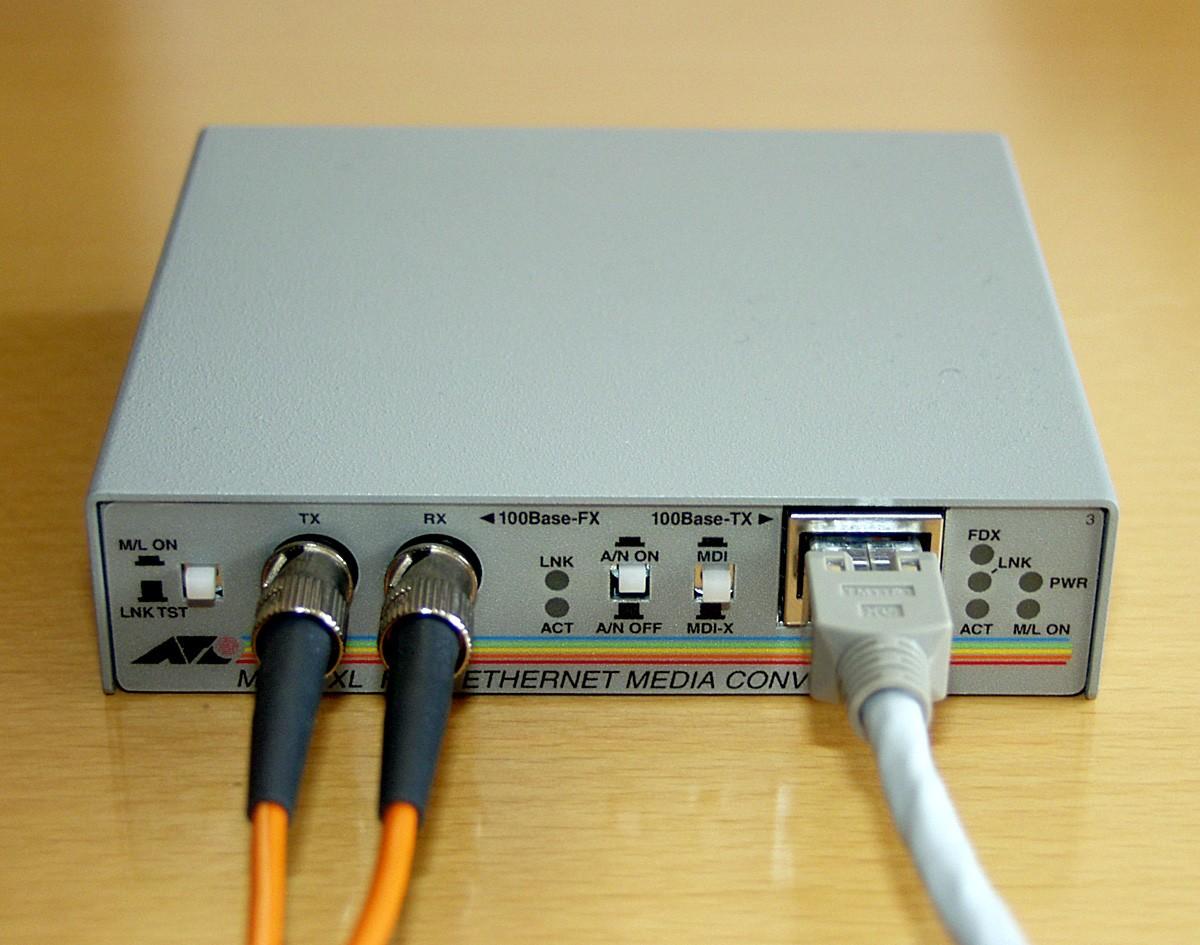
A media converter is a tiny but powerful device for networking which connects two distinct kinds of cabling – typically copper (RJ45 Ethernet) and fiber optic (SC, LC, ST and SFP). Its primary function is to transform electrical signals that are used in copper cables to optical signals that are used in fiber cables and reverse the process. This enables devices with various connections to communicate with each other on one network without loss of data or signal loss or signal degradation.
Media converters are particularly useful for expanding distances of networks that go beyond the 100 meters limit that is the limit of Ethernet cables. Fiber optic cables transmit signals over several kilometers, which makes media converters indispensable for large structures, industries, data centers and remote office connectivity. They also enhance the efficiency of networks and minimize electromagnetic interference sources and permit easy upgrade from copper to fiber without the need to replace any equipment that is currently in use. In simple terms, it’s an opportunity to make a connection between traditional technology and the latest advancements in technology. It provides low-cost high-speed, and reliable connectivity for long distances.
Why Use a Media Converter?
Media converters are an ideal solution for networks that require different cabling types, especially when you combine the copper (Ethernet) and fiber optic infrastructure. What exactly is the reason to utilize one? Here are the top three reasons:

1. Extend Network Distance
Ethernet cables have a that is limited to 100 metres However, fiber optic cables are able to transmit information for many kilometers. Media converters allow you to expand network coverage without losing the speed or quality of signal.

2. Upgrade to Fiber Without Replacing Equipment
Do you want to take advantage of some of the benefits offered by fiber technology but continue to use your Ethernet-based devices? Media converters serve as a bridge between copper-based devices and the latest fiber networks and can save you from expensive upgrade costs.

3. Improve Signal Quality and Reliability
Fiber is resistant from electromagnetic interference (EMI), making media converters ideal for use in hospitals, industrial areas or any other areas that have heavy machines or electrical noise.

4. Increase Bandwidth and Network Speed
It provides faster speed of data transfer when compared with copper. Media converters let you gain access to this speed, which is particularly advantageous to data centers monitoring IP and live-time communication.

5. Flexible and scalable Network Expansion
Media converters can operate with a variety of types and connectors (e.g. SC, LC, ST SFP) and lets you expand and modify your network to meet demands of your network.

Media converters vs ethernet switches vs routers each serve a unique role in networking.
Types of Media Converters
Media converters come in many styles to meet a variety of requirements for networking. The best choice is based on the factors that determine it, such as distance to transmission the connector’s type, as well as speed demands. Here are the most popular kinds of media converters that are used in today’s networks:
1. Copper-to-Fiber Media Converters
They are among the most widely utilized media converters. They join Ethernet devices to fiber by changing the signals to the RJ45 (copper) and fiber optic connectors such as SC LC, ST, or SFP.
Use case: Extending Ethernet networks over long distances
Example: Connecting a PC or switch to a remote fiber-optic network.
2. Fiber-to-Fiber Media Converters
They switch between different fiber types-such as single-mode to multimode or even different wavelengths. They are often utilized in data center or backbone networks.
Use case: Connecting two fiber segments having different properties
Example: linking the short-range multimode fiber device with an extended-range single-mode link.
3. PoE Media Converters (Power over Ethernet)
PoE media converters provide power and data via the same Ethernet cable while also converting into fiber. They’re great to power devices such as VoIP phone, IP camera or wireless access points in remote areas.
Use case: Fiber uplinks that also require power for remote devices
Example: Connecting and the powering of an PoE security camera located 2 km away.
4. Managed vs Unmanaged Media Converters
The non-managed Converters are devices that plug and play that can be installed easily, without any configuration needed. Managed Media Converters include advanced features, like remote monitoring, SNMP support, VLAN tag and loopback testing, to enhance control and diagnose.
Use case: Choose unmanaged for simple setups, managed for enterprise-grade networks
Example: The critical infrastructure environment or the data center
5. SFP Media Converters
They utilize the SFP (Small Form Factor Pluggable) slots which allow users to switch fiber-based modules (e.g. multimode, single-mode, or diverse distances). They allow for maximum flexibility in network upgrade.
Use case: Future-proofing networks that could require modifications to their modules
Example: Internet service provider or Enterprise Core Networks
Fiber Media Converter Standards & Interfaces
Feature
- Fiber Type
- Connector Type
- Speed
Option
- Single-mode (SM), Multi-mode (MM)
- SC, LC, ST, SFP
- 10/100, 1000 Mbps, 10G
Usage
- SM for long distances, MM for LAN
- Based on fiber cable and equipment
- Match with network speed
Fiber to Ethernet Conversion Diagram:
A basic conversion setup involves:
An onboard media converter converts copper signals into fiber signals near a switch (copper to fiber converter).
Fiber optic cable can either be single-mode or multi-mode.
An additional media converter (from fiber back to copper) should be placed near the end device.
This system increases network reach while remaining Ethernet compatible.

Common Use Cases for Media Converters
Media converters can be found in a myriad of settings to connect fiber and copper networks, expand distances and improve performance without costly infrastructure upgrades. Here are a few of the most commonly used applications:

CCTV & Security Systems
- Extend the range of IP cameras via fiber with no loss of signal converters enable security cameras to send high-resolution videos across long distances using fiber optic cables, well beyond the limitations in traditional Ethernet.
- Use PoE converters in order to enable cameras remotely PoE converters remove the requirement for different power sources by providing both data as well as power through the same Ethernet cable. This is ideal for remote or difficult-to-reach camera installation.
- Benefit: Clear video long cable runs and more efficient installations in large campuses, parking lots or warehouses.
Industrial Networks
- Convert copper into fiber in refineries, factories as well as automation equipment in industrial settings where communication over long distances is essential converters allow copper-based equipment like PLC Panels or sensors to connect with fiber optical lines.
- Refuse EMI and provide steady performance in tough environments Fiber is insensitive to electrical noise. This makes converters crucial for areas with large machines and electromagnetic interference (EMI).
- Benefit increased reliability, data integrity and safety in the most critical production environments.
FTTH (Fiber to the Home)
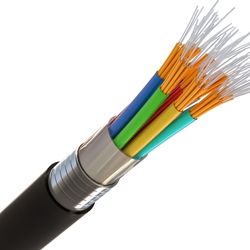
- convert fiber connection into Ethernet to be used in home routers ISPs utilize media converters on the customer’s premises to connect fiber lines to regular Ethernet Modems and routers.
- Allow fiber connectivity in homes and apartments Media converters can help provide high-speed internet in the individual units without requiring fiber-capable routers.
- Benefit seamless integration of fiber broadband networks with familiar Ethernet devices.

Campus and Office Networks
- Connect various floors or buildings using the fiber backbone connect the remote areas of a building, or between buildings using high-speed fiber.
- Do not buy costly fiber-capable switches all over the place. Instead of replacing every switch with fiber-ready models, It allow you to retain your copper-based equipment and connect fiber when needed.
- Benefit: Increased efficiency and enhanced performance of hospitals, corporate offices and schools.
conclusion
Media converters are an efficient and simple way to expand, modify to, and ensure the future of the network structure. It doesn’t matter if you’re adding fiber to the existing copper network, expanding over buildings, or installing IP security systems for surveillance, the proper media converter can help you connect your technology without having to overhaul the entire system.
For best results:
- Find the right speed, type of media and connector
- Choose industrial-grade alternatives for harsh environments.
You should consider PoE as a support option for remote devices powering
FAQ
1. Are media converters plug-and-play?
Yes, unmanaged media converters require no configuration. Simply plug them in and go.
2. Do I require a converter for my media in order to connect to fiber internet?
Yes, if your current equipment supports only Ethernet. It connects your ONT fibre cable with your router.
3. Does my fiber converter require connecting additional cables included with it to the media?
No; simply make sure that the converter supports your type (single/multimode), connector (SC or LC), wavelength and type.
4. What's your average lifespan of the converter?
In general, it is 5 to 10 years depending on the quality and conditions of the environment